この記事のポイント(日本語)
翻訳ミスはブランドに大きなダメージを与えます。KFCの「指を食べろ」やコアーズの「下痢になれ」など、直訳が招いた失敗は枚挙にいとまがありません。特に日本では、細部へのこだわりと礼儀正しさが消費者に期待されているため、言語の誤りは致命的になりえます。ローカライゼーションとは単なる翻訳ではなく、文化的な文脈を理解し、ターゲットオーディエンスに響くメッセージを作ることです。Smith & EditはバイリンガルPRの専門家として、日本市場向けコンテンツの制作・編集をサポートします。
Somewhere between the cat video and motivational quote lies the traveller's photo of a well-meaning but garbled English sign telling visitors to 'flash the toilet' or 'beware the disabled'.
We chuckle to ourselves and keep on scrolling through our newsfeeds.
But language is a serious business. A typo costs the price of printing a new sign. Neglecting to localise content costs customers and credibility.
KFC mistakenly translated "finger-lickin' good" to "eat your fingers off" in Chinese, while Coors beer's "Turn it loose!" took on a whole new meaning in Spain where it translated as the less palatable, "you will suffer from diarrhoea."
It's a peculiar oversight when you think how much time and budget these brands spend to get wording right in their home markets.
Poor translation loses business today. Poor localisation loses it forever.
A translation fail will make a customer leave before they even know who you are. A localisation fail risks long-lasting, irreparable damage to your reputation.
The customer who has invested in getting to know you, only to encounter language that is at best forgetful and confusing, or at worst irrelevant and alienating, won't just turn away. They'll tell others about it too.
You say Japan, I say Nihon
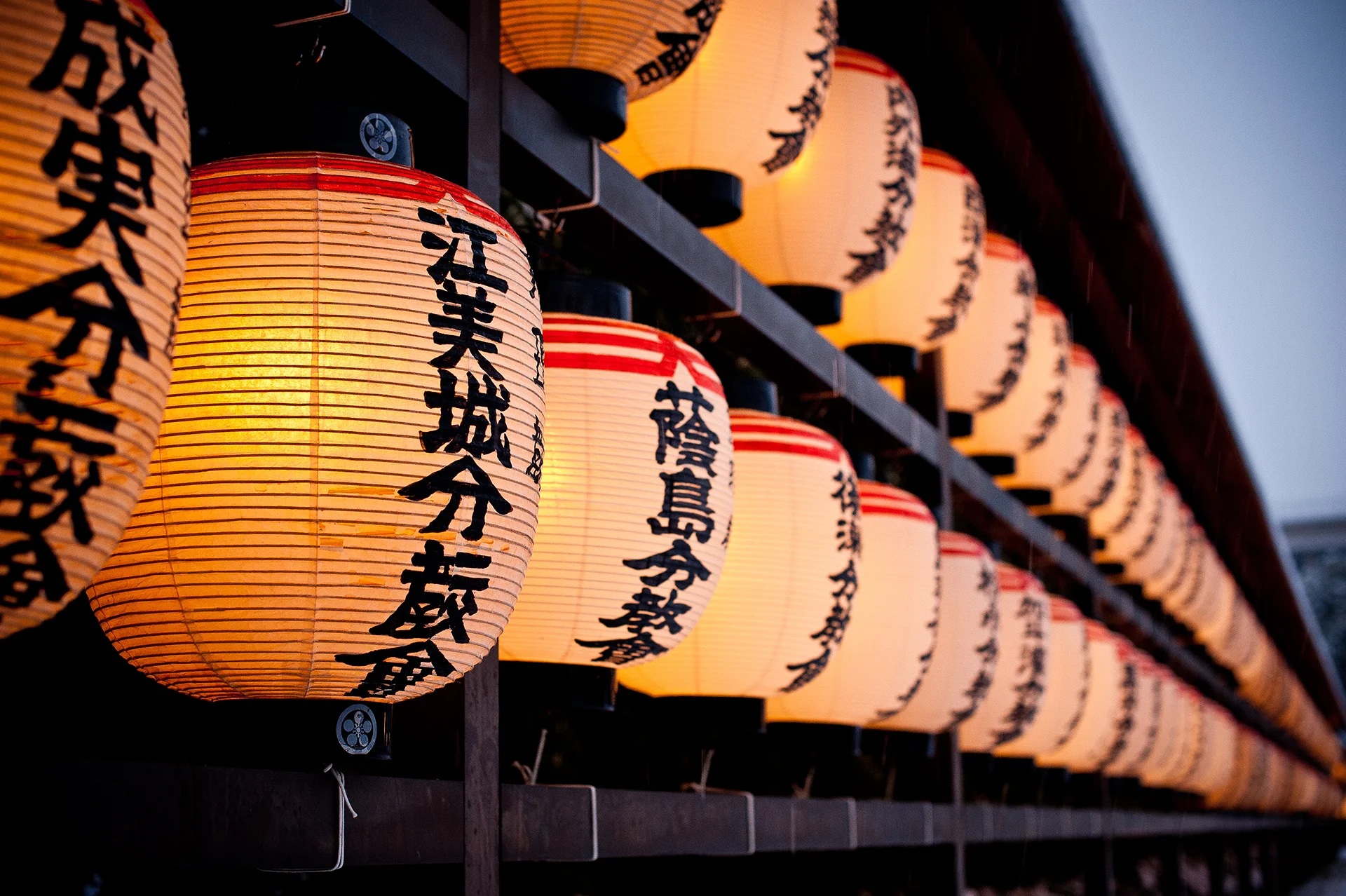
This is doubly true in Japan, famous for its attention to detail. Consumers expect the highest quality at every level. Even seemingly small errors can cause major offence. An offended customer won't purchase your product or service.
What's more, native speakers of Japanese, recognised as one of the hardest languages for English speakers to learn, are used to three writing systems that can also be written vertically. Distant cultures don't just have alternative alphabets to work with. They employ wordplay and phrases that others struggle to comprehend.
Heavy emphasis on formality means that stylistic quirks like the British fondness for sarcasm or US propensity to proclaim your strengths only confuses and alienates.
What is localisation?
Taking content from its source language and refining it to resonate with a new culture demands more than direct translation. It's an art that requires insight and skill. It's about understanding potential customers, telling a story relevant to their needs and building confidence in your brand's ability to meet them.
If language is how a business expresses ideas, localisation is how it makes people sit up and listen.
The human touch
The internet is awash with magical machine translators and there's no doubt that the technology is making exciting advances every day. Take Google Translate's ability to auto-translate via the camera on your phone, or Microsoft's real-time Skype Language Translator for example.
But we're still some years away from being able to rely on this for something as valuable as your brand's reputation. Just ask Taco Bell who were left red-faced when they opened their first branch in Tokyo complete with a new 'Japanese' website. Nothing beats a human who understands the full context of your business, objectives, narrative and audience.
Globalisation = localisation
Much is made of our increasingly borderless world, but the reality is that expanding your business globally entails localisation needs that quickly add up and become complex. To enter or expand in a new market, you need localisation services and a strategy that breaks down communication barriers with every potential customer.
That's why we put so much emphasis on not just crafting content, but tailoring it too. By measuring an audience up first, we're always thinking strategically about who you're talking to.
It's a principle we apply not just to language and copywriting, but to our consultancy with clients, helping them navigate the wider characteristics of business communication in Japan.

6 ways to avoid #brandfail
- Ask someone who knows nothing about your business what they think of your idea
- Even when language changes, always stay true to your core brand values
- Get creative with how you keep customers informed of a new product or service
- Use influencers and endorsers to herald the launch first
- Modern isn't always better. Tradition and heritage goes a long way and is harder to gain
- Consider timing and how to respond at different stages
Get in touch to discuss your Japan localisation needs.